
Karupppsamy Subburaj, PhD
Associate Professor at Aarhus University
From medical image data to patient-specific prediction, devices, and care.
My research combines computational biomechanics, medical imaging, data-driven modelling, and medical device design to assess bone health, predict patient-specific outcomes, and translate these insights into clinically relevant innovations, devices, and decision-support tools.
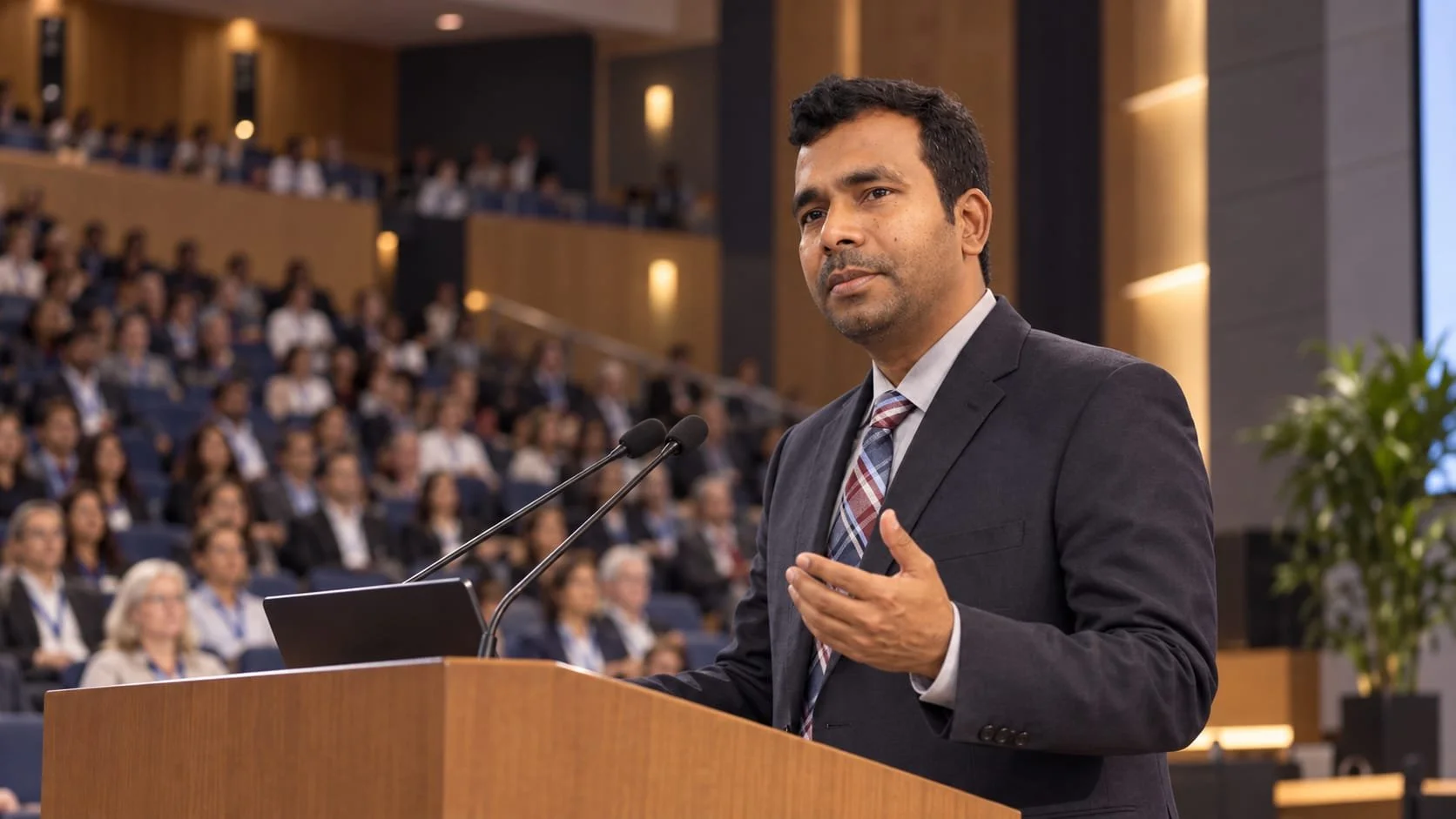
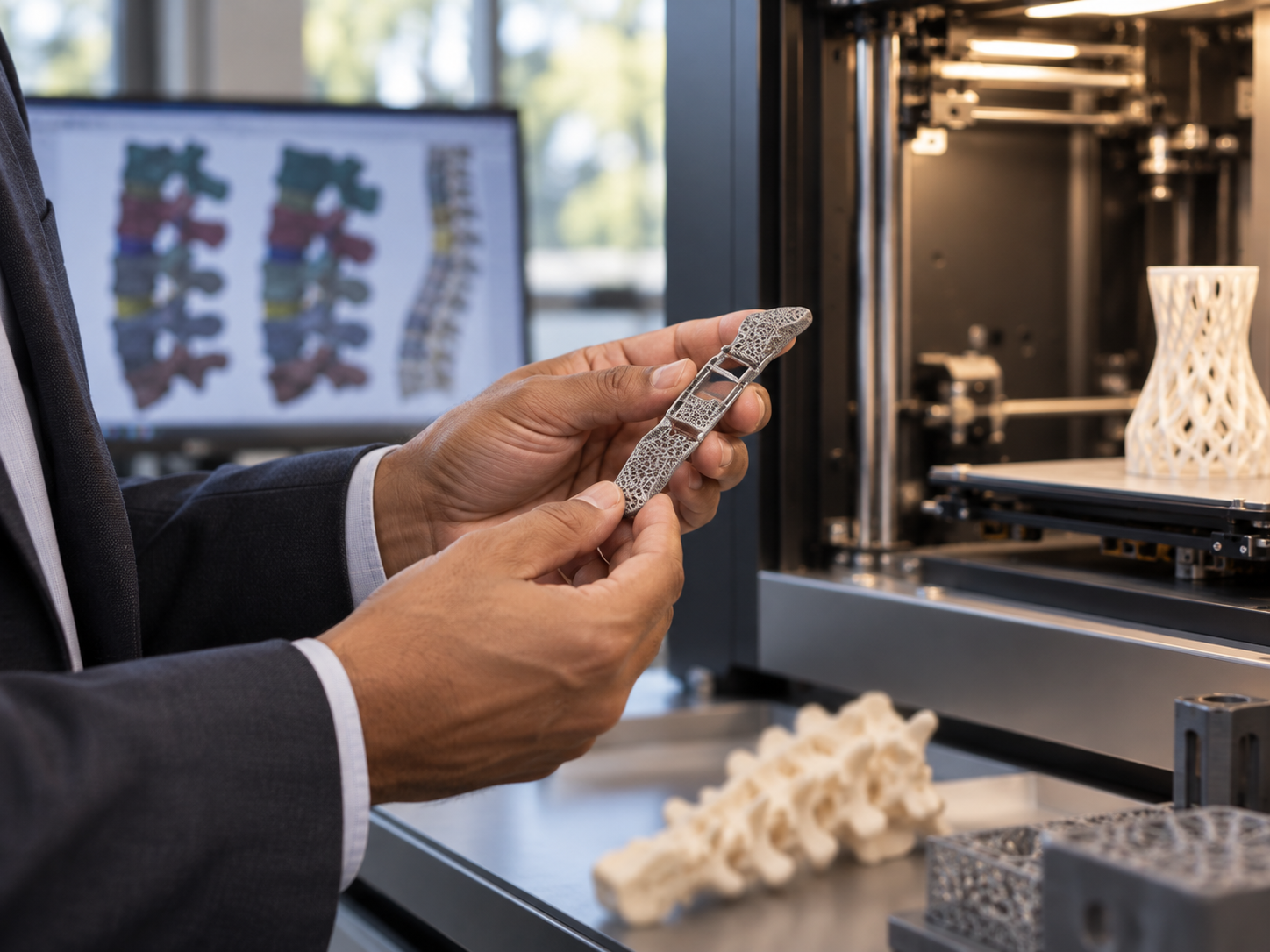
From Mechanics to Medicine: from evidence to intervention
Engineering for health should not stop at understanding mechanics. It should translate evidence into predictions, devices, and interventions that work in clinical reality.
Based in mechanical and production engineering, my work addresses health challenges associated with ageing and musculoskeletal disorders. It spans tissue mechanics, patient-specific prediction, and the development of devices that must perform in clinical reality.
My research is medically oriented and engineering-led, translating biological evidence and clinical needs into safer, more accessible, and more effective interventions.
Four research cultures. One evolving way of engineering.
Four academic research environments reshaped how I approach engineering.
IIT Bombay gave me the analytical and mechanical foundations to formulate complex problems as engineering questions. UCSF brought those foundations into clinical reality through integrated biomechanics and musculoskeletal research. SUTD broadened that perspective through interdisciplinary, technology-intensive design and innovation for health. At Aarhus, these strands now come together through medical engineering, computation, device development, education, and clinical and industry collaboration.
01
2005–2009
IIT Bombay
FOUNDATIONS
Mechanics, modelling, and first-principles engineering.
02
201o–2014
UC San Francisco
CLINICAL REALITY
Biomechanics embedded within clinical research.
03
2014–2022
SUTD . Singapore
DESIGN & INNOVATION
Technology-intensive design and innovation for health.
04
2023–present
Aarhus University
INTEGRATION & TRANSLATION
Computation, devices, and clinical collaboration together
These environments changed what I look for in an engineering solution.
Technical sophistication matters, but so do clinical relevance, usability, access, and the people who will carry the work forward. That is why I value pragmatic design, multidisciplinary teams, and developing young researchers alongside the technologies we create.
Research
Evidence that moves towards intervention.
My research programme connects medical imaging, patient-specific computation, device design, manufacturing, and validation. It starts with clinically relevant problems and develops engineering evidence, methods, devices, and systems that can move towards practical use.
NEED → ENGINEERING QUESTION → MODEL / DESIGN → DEVELOP → VALIDATE → TRANSLATE
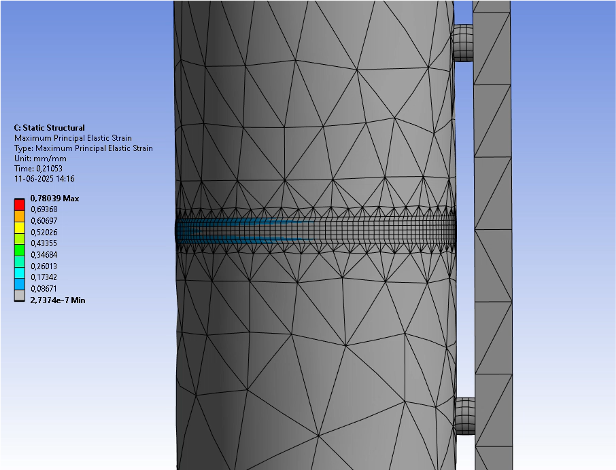
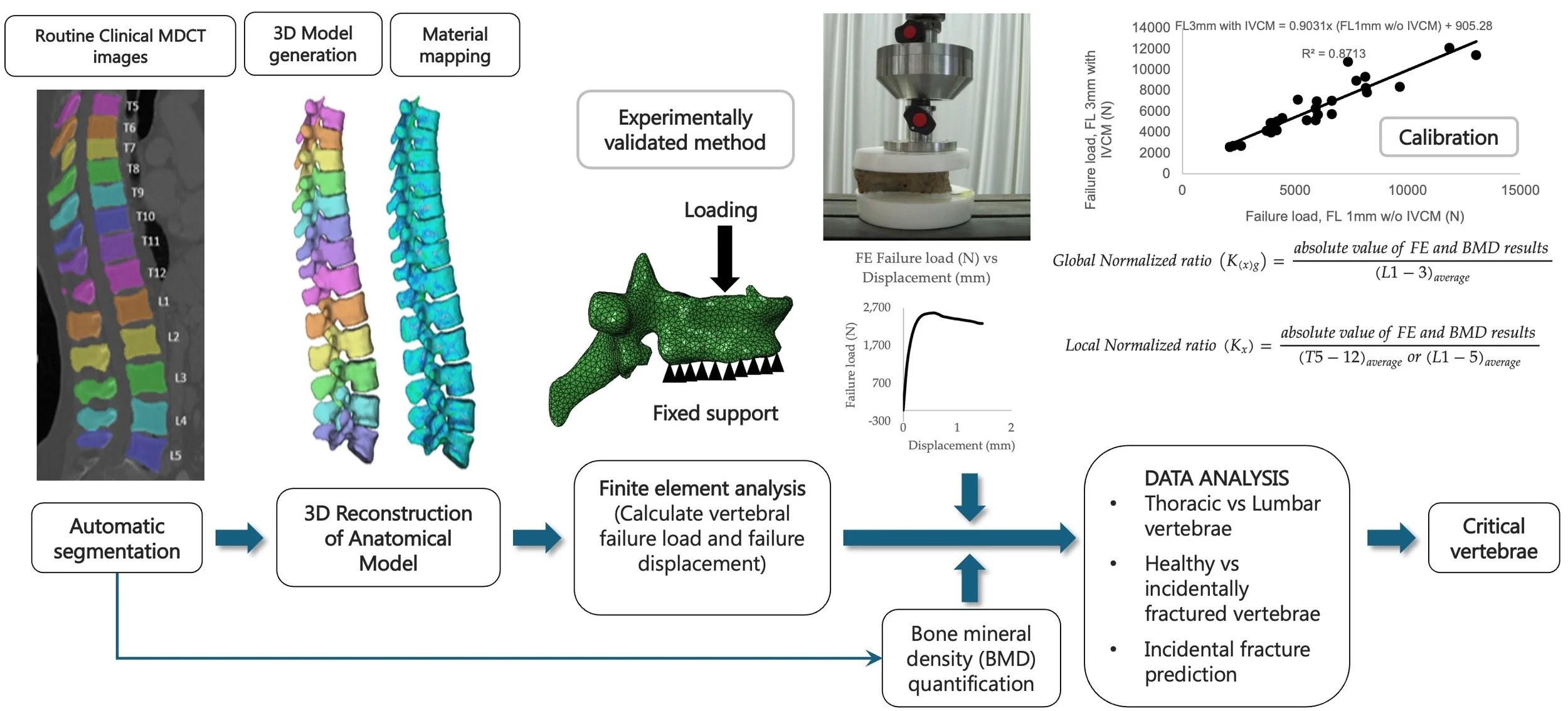
02 · Spine health
Turning routine imaging into fracture-risk evidence
Using CT-derived anatomy, density, texture, and finite-element modelling to generate patient- and vertebra-specific evidence for bone strength and fracture risk.
Medical imaging · CT-to-FE · bone strength · clinical prediction
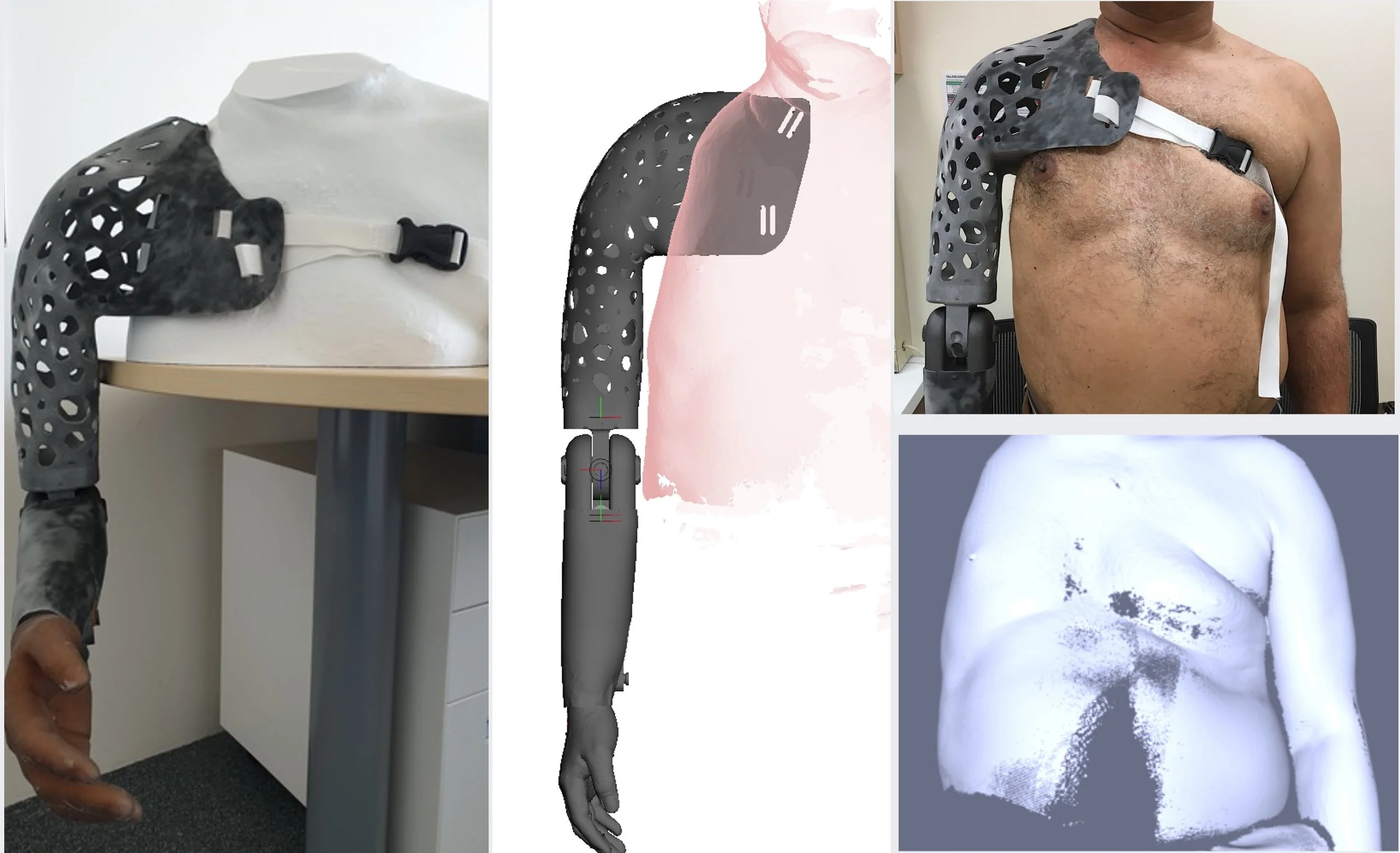
04 · Function & care
Designing for everyday function
Assistive and point-of-care technologies spanning prosthetics, orthotics, rehabilitation, monitoring, and safer clinical workflows.
Prosthetics · rehabilitation · assistive systems · point-of-care devices
01 · Bone healing
Predicting how bone heals
Patient-specific and multiscale models connecting evolving geometry, loading, mechanoregulation, angiogenesis, and uncertainty across the healing process.
Mechanobiology · FEA & µFEA · UQ · reduced-order models
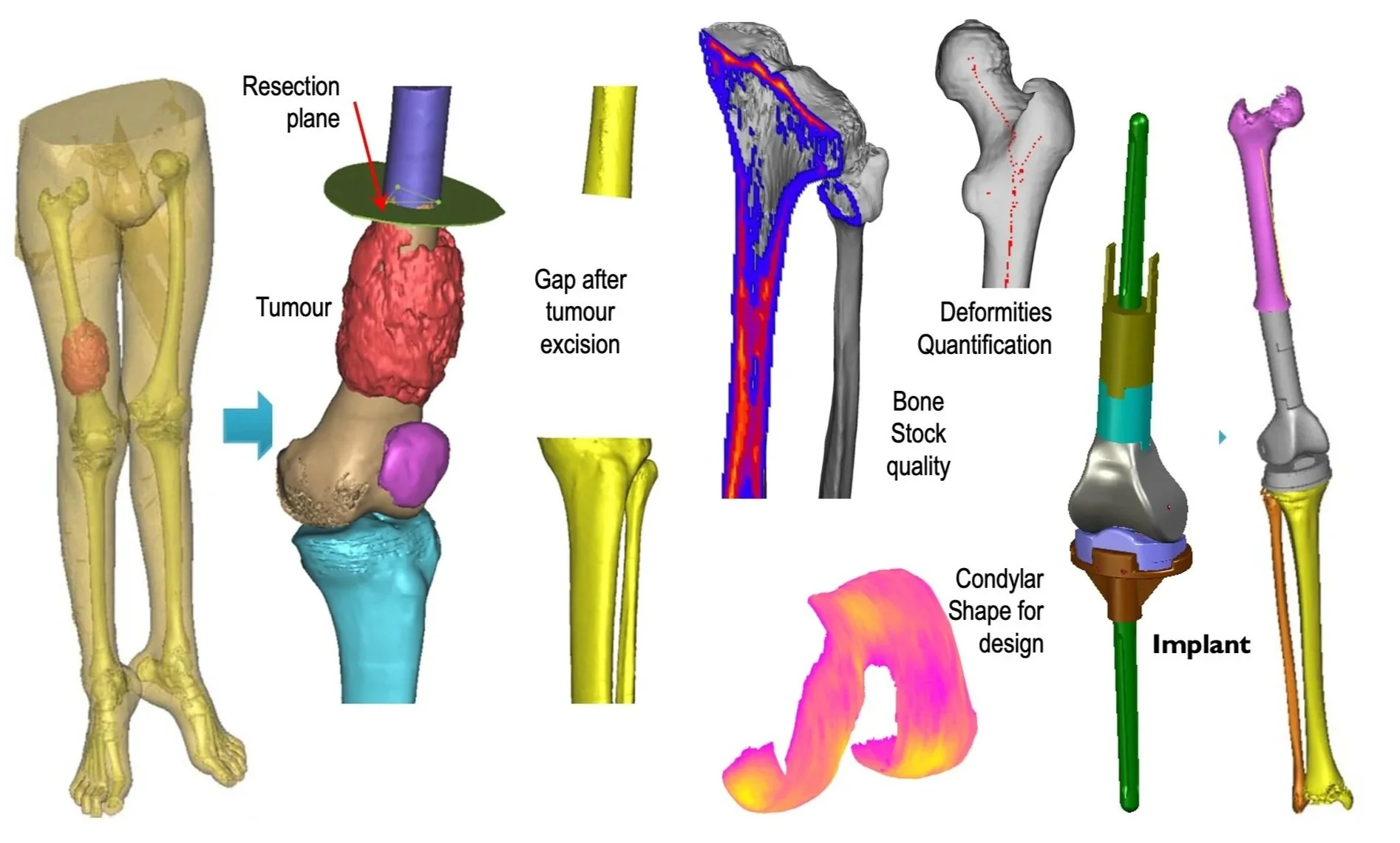
03 · Patient-specific interventions
Engineering the intervention
Simulation-informed implants, fixation concepts, surgical tools, and patient-specific devices developed around clinical need, biomechanics, manufacturability, and use.
Implants · surgical tools · additive manufacturing · design for manufacture
Across all four areas: patient-specific modelling, uncertainty, data-driven methods, engineering judgement, manufacturing, validation, and clinical collaboration.